Vegepod Gardening: The Ultimate Guide To Growing A Bountiful Harvest
Title: Vegepod Gardening: The Ultimate Guide to Growing a Bountiful Harvest
Introduction:
Are you looking for a way to grow your own fresh vegetables, but you don't have a lot of space? If so, Vegepod gardening may be the perfect solution for you. Vegepods are raised garden beds that are designed to be easy to use and maintain. They are also very versatile, so you can grow a wide variety of vegetables in them.
In this blog post, we will provide you with an ultimate guide to Vegepod gardening. We will cover everything you need to know, from choosing the right Vegepod to planting and harvesting your vegetables. By the end of this post, you will be well on your way to growing your own bountiful harvest.
Main Content:
Choosing the Right Vegepod
There are a few different Vegepods available on the market, so it is important to choose the right one for your needs. Here are a few things to consider when choosing a Vegepod:
- Size: Vegepods come in a variety of sizes, so you need to choose one that is big enough to accommodate the number of vegetables you want to grow.
- Location: Vegepods can be placed in a variety of locations, but they should be placed in a spot that gets full sun.
- Budget: Vegepods range in price, so you need to choose one that fits your budget.
Planting Your Vegepod
Once you have chosen your Vegepod, it is time to start planting. Here are a few tips for planting your Vegepod:
- Start with good quality potting mix. The potting mix you use will have a big impact on the success of your Vegepod garden.
- Plant your vegetables at the correct depth. Each vegetable has a specific depth at which it should be planted. Be sure to follow the planting instructions that come with your Vegepod.
- Water your vegetables regularly. Vegepods need to be watered regularly, especially during the hot summer months.
- Fertilize your vegetables. Vegepods need to be fertilized regularly to keep your vegetables healthy and productive.
Harvesting Your Vegetables
Once your vegetables have started to grow, it is time to start harvesting. Here are a few tips for harvesting your Vegepod vegetables:
- Harvest your vegetables when they are ripe. This will ensure that you get the best flavor and nutritional value from your vegetables.
- Harvest your vegetables regularly. This will encourage your plants to produce more vegetables.
- Store your vegetables properly. This will help to keep your vegetables fresh for longer.
Conclusion
Vegepod gardening is a great way to grow your own fresh vegetables, even if you don't have a lot of space. Vegepods are easy to use and maintain, and they can be used to grow a wide variety of vegetables. By following the tips in this blog post, you can be well on your way to growing your own bountiful harvest.
If you're interested in learning more about vegepods gardening, I recommend visiting the Home Gardening. This website has a wealth of information on vegepods, including how to set up a vegepod, what vegetables to grow in a vegepod, and how to care for your vegepod.
I've been using vegepods for the past few years, and I've been really impressed with the results. Vegepods are a great way to grow fresh, healthy vegetables even if you don't have a lot of space.
So if you're looking for a new way to start gardening, I encourage you to check out vegepods. You won't be disappointed!
FAQ of vegepods gardening
- How much soil do I need for a Vegepod?
According to Vegepod's website, you will need 7 bags (25 liter or 26.6 quarts) of a standard potting mix. This is enough soil to fill the Vegepod to the brim.
- What kind of soil should I use for a Vegepod?
You can use any type of standard potting mix for your Vegepod. However, Vegepod recommends using a mix that is specifically designed for vegetables. This type of mix will typically have a higher nutrient content than a general-purpose potting mix.
- How often do I need to water my Vegepod?
The frequency of watering will depend on the climate and the type of plants you are growing. However, Vegepod recommends watering your Vegepod once a week. You can also check the moisture level of the soil by inserting your finger into the top layer. If the soil is dry to the touch, it is time to water.
- What kind of plants can I grow in a Vegepod?
You can grow a variety of vegetables in a Vegepod. Some popular choices include tomatoes, peppers, cucumbers, lettuce, and herbs. Vegepod also offers a variety of seed kits that are specifically designed for their planters.
- Is a Vegepod a good investment?
Whether or not a Vegepod is a good investment depends on your individual needs and budget. Vegepods are relatively expensive, but they can save you money in the long run by reducing the amount of water and fertilizer you need to use. They can also be a great way to grow fresh, organic vegetables year-round.
Image of vegepods gardening
- Image 1: A Vegepod garden in full bloom, with a variety of vegetables growing.

- Image 2: A close-up of a Vegepod, showing the wicking bed system.

- Image 3: A Vegepod garden in a greenhouse, with the plants protected from the elements.

- Image 4: A Vegepod garden on a patio, with the plants providing shade and greenery.
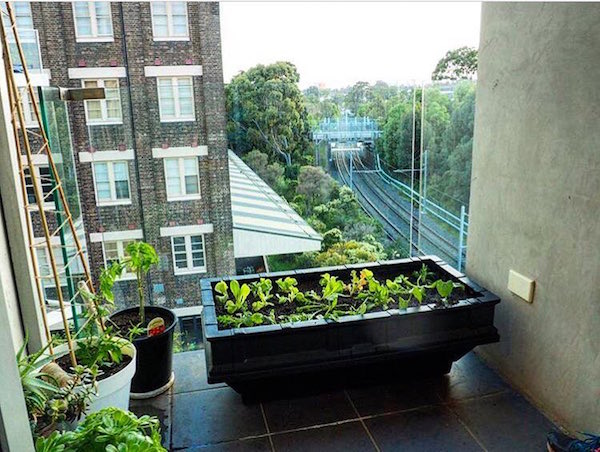
- Image 5: A Vegepod garden in a backyard, with the plants providing a colorful display.
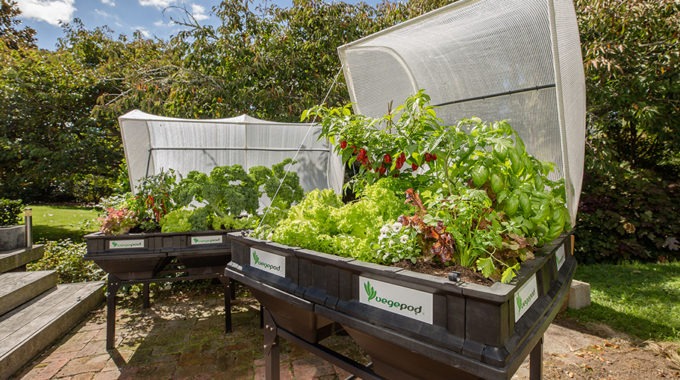
- Image 6: A Vegepod garden with a variety of herbs, including basil, thyme, and rosemary.

- Image 7: A Vegepod garden with a variety of vegetables, including tomatoes, cucumbers, and peppers.
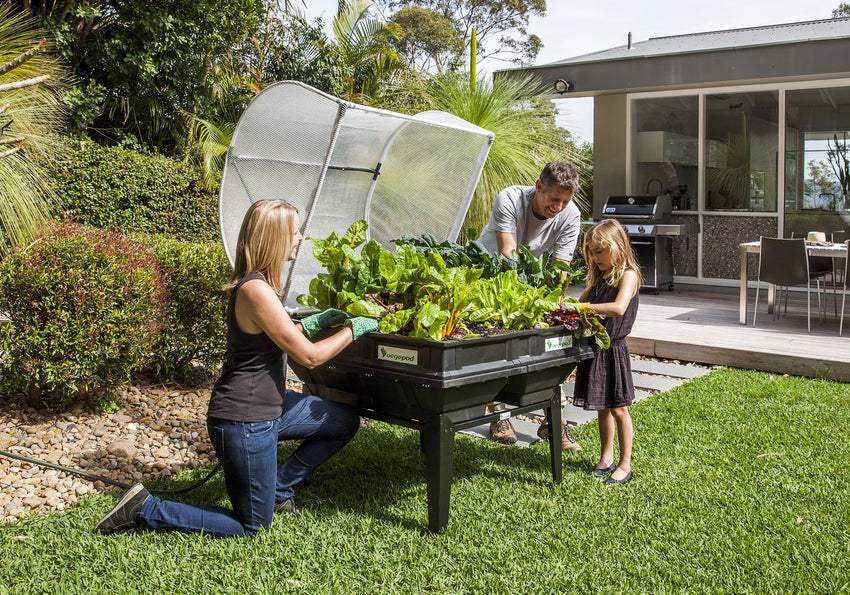
- Image 8: A Vegepod garden with a variety of flowers, including sunflowers, marigolds, and petunias.
- Image 9: A family enjoying a Vegepod garden, picking fresh vegetables for dinner.

- Image 10: A Vegepod garden with a sign that says "Grow Your Own Food."
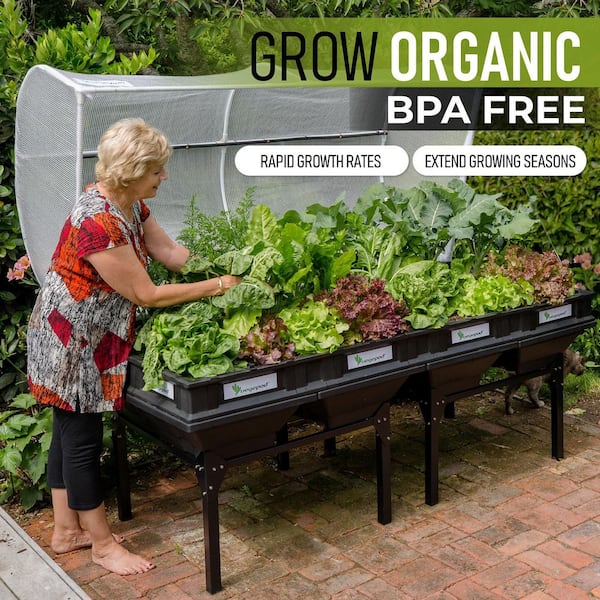

Post a Comment for "Vegepod Gardening: The Ultimate Guide To Growing A Bountiful Harvest"